
trust the process
what you do before the story makes sense

Silence. Stillness. Hands on hips or over faces.
Sinking down into our seats.
Half of a stadium in disbelief.
The other half cheering in a sea of blue shirts and smoke flares.
We’d flown over to Budapest to watch Arsenal play in the Champions League Final. The recent Premier League win giving us hope, momentum, belief.
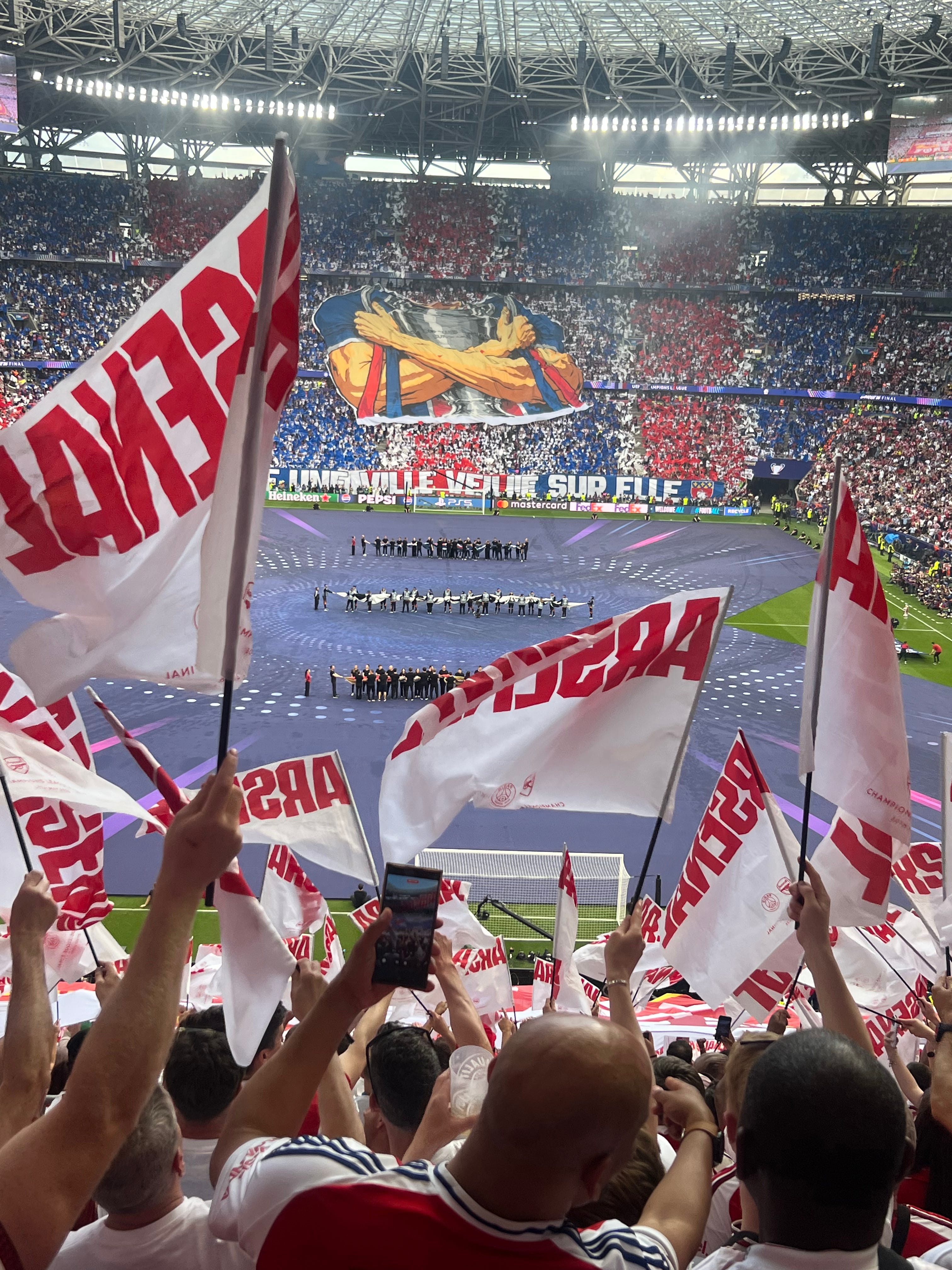
And now tens of thousands of people had to leave, go back to their hotels and sit with the loss. Holding the high of the win back home with this disappointment.
It’s a funny feeling to have both. Success and failure in such close proximity.
After a success, you rewrite the years of struggle that came before it.
What felt like delusion, lack of direction, things not working - now looks like vision, patience, belief against the odds. Conviction in the face of the doubts and questioning. Because the narratives get written retrospectively.
But when there’s a loss, all of it comes under scrutiny again.
It’s hard to trust a process while you’re inside it - you can only commit to one. What looks like belief from the outside feels, from the inside, like endurance. Standards held quietly, in the dark, with no guarantee they’ll ever compound into anything.
Which raises the question: is “trust the process” actually advice? Or is it just the story we tell about outcomes we survived?
And the harder question underneath that: what do you do with it before it’s worked?
Let’s rewind a bit. To when nothing was working.
In December 2019, Arsenal appointed Mikel Arteta as their new manager.
He was thirty-seven years old, a former Arsenal midfielder who had never managed a club before.
He was walking into a dressing room that had lost its way - a once-great club that hadn’t won the league in sixteen years, finishing fifth, sixth, eighth.
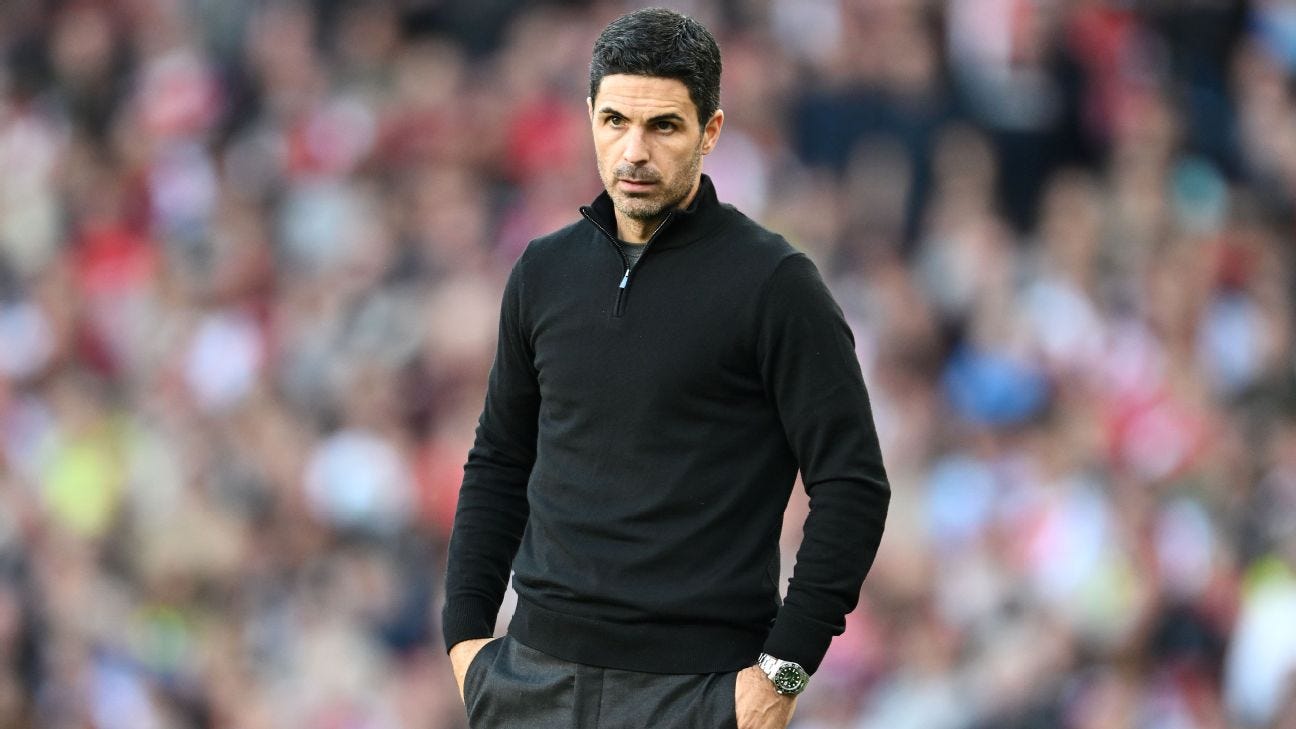
The fans were disillusioned. The culture was fractured.
Five days before his appointment, Arteta had visited the Emirates as a Manchester City coach.
He remembered it clearly: half the stadium empty, the atmosphere gone, the energy completely hollowed out. “That image, that feeling - I said, ‘With this, there is no project. This is not going to work.’”
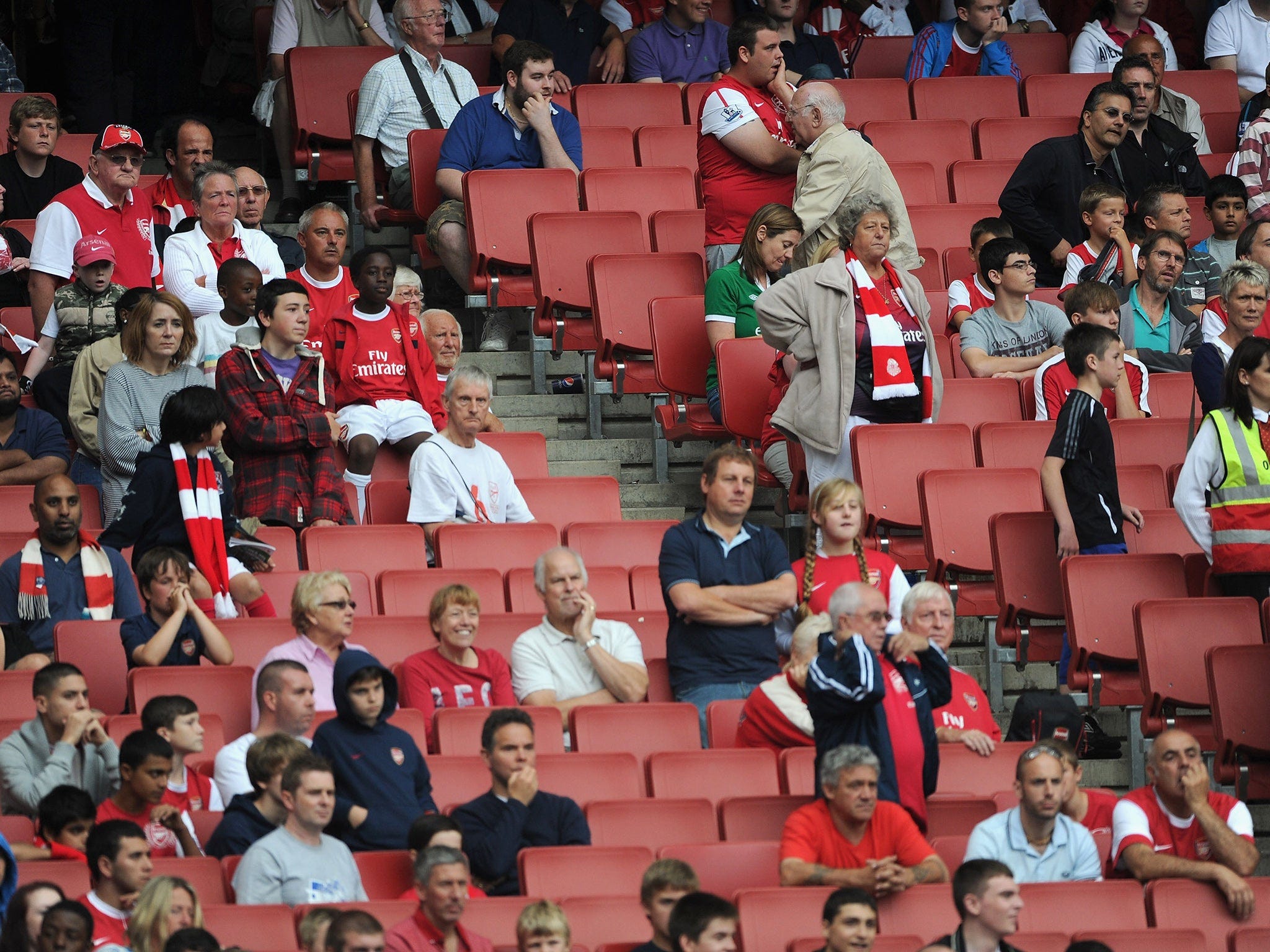
He took the job anyway.
His first task wasn’t tactics. It was culture. He raised standards and defined a set of non-negotiables - respect, commitment, passion - that everyone at the club had to adhere to, regardless of reputation or salary.
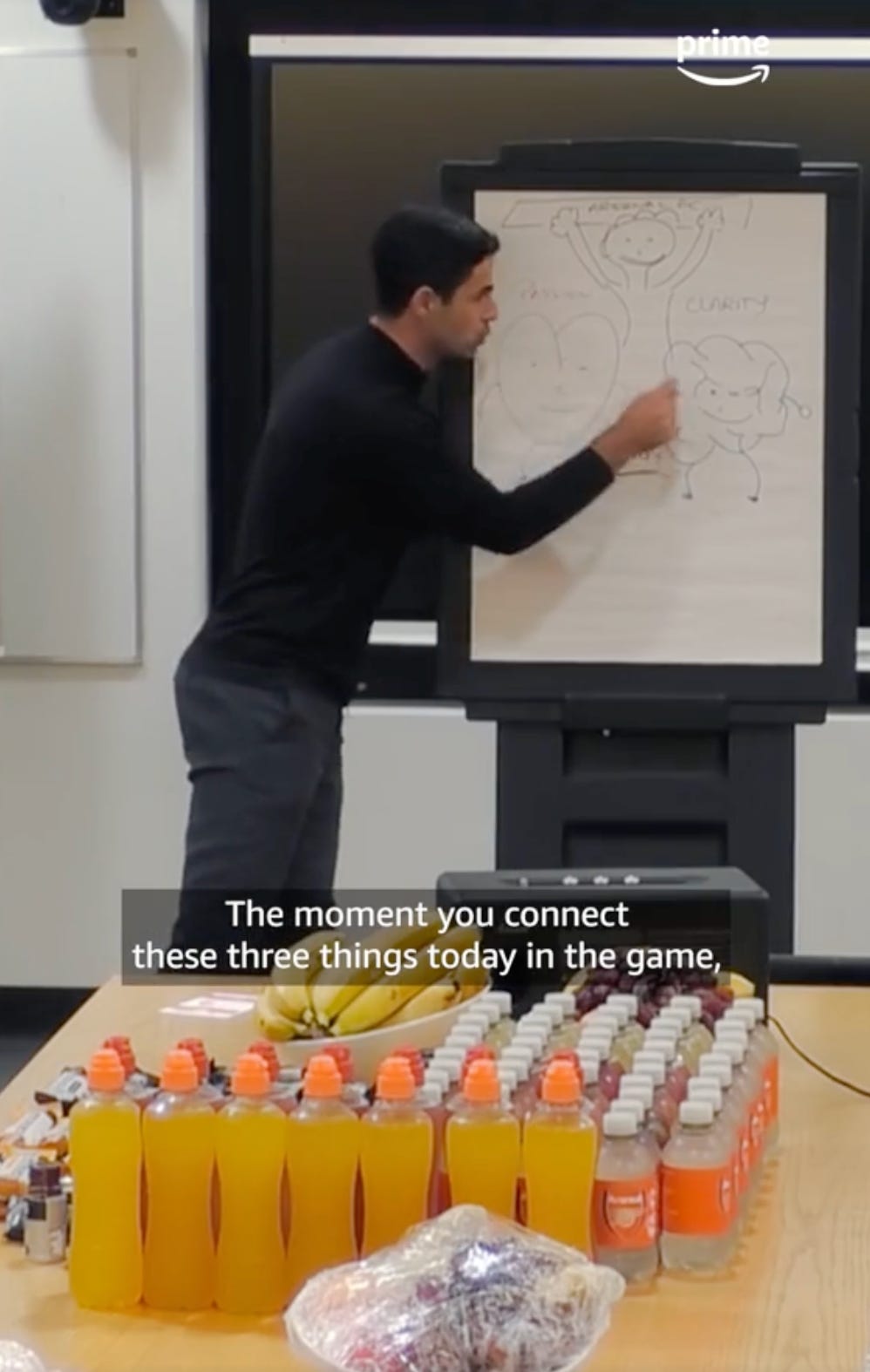
He began rebuilding the squad, recruiting with intention, and removing players who weren’t good enough or didn’t care enough. He also set about repairing what had become a deeply fractured relationship between the players and the supporters.
What followed was still ugly. Eighth in the league. Eighth again.
The fanbase split - half wanting to give him time, half calling for his head by Christmas every year.
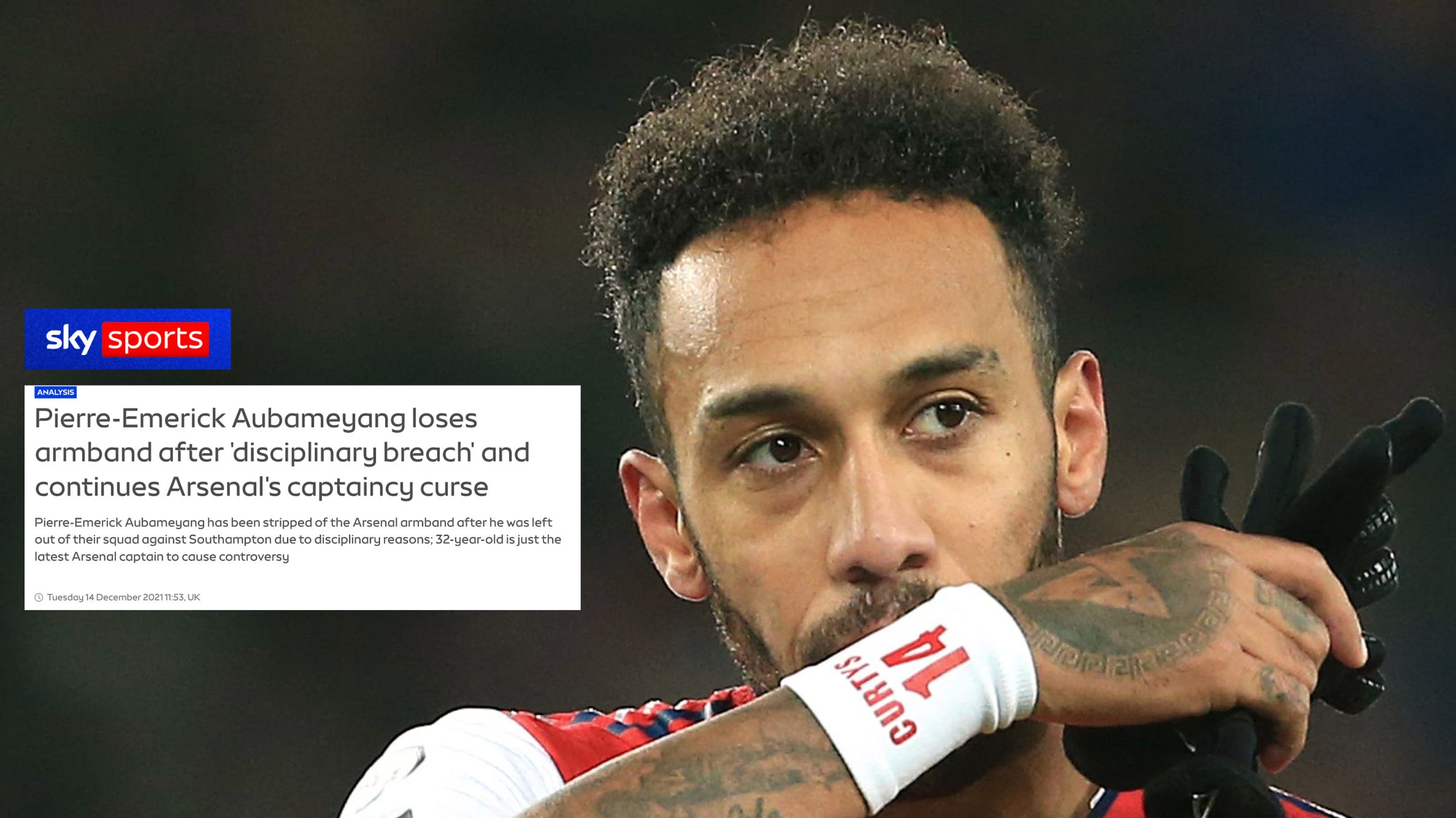
He stripped Aubameyang - the club’s star striker, their captain, their most recognisable face 0 of the armband for a disciplinary breach and eventually showed him the door entirely.
He sidelined Özil, the highest-paid player at the club and one of the most gifted midfielders of his generation, after a dispute during the pandemic. Özil never played for Arsenal again, his contract terminated six months early.
These were not quiet, behind-the-scenes decisions. They were loud, controversial, and criticised at the time.
Gary Neville argued as recently as last year that Arteta’s most notable achievement at Arsenal wasn’t winning the FA Cup in 2020. It was surviving. Still being in a job, still backed by the board, after five subsequent seasons without a major honour. In any other era, at most other clubs, he would have been gone.
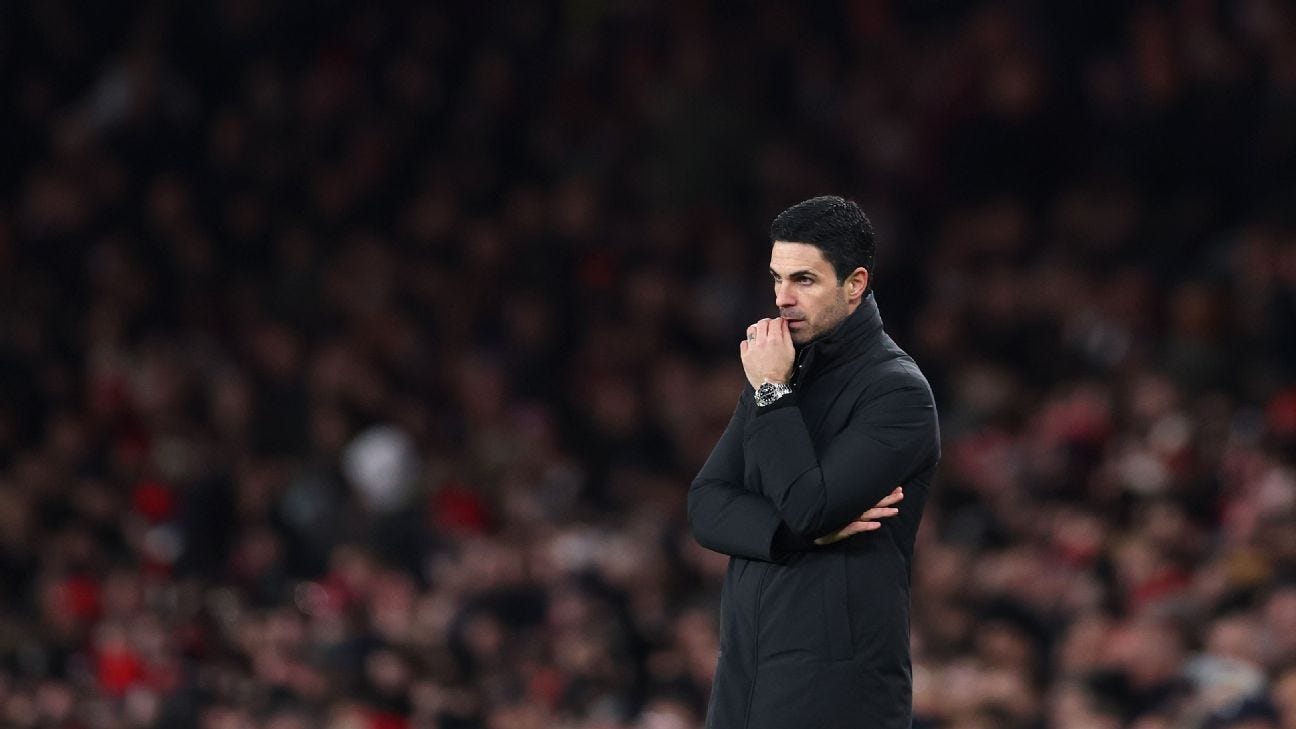
Second in 2022/23, after leading the league for 248 days. Second again. And again. Four years of being the best team in the league not to win it.
When the results start coming
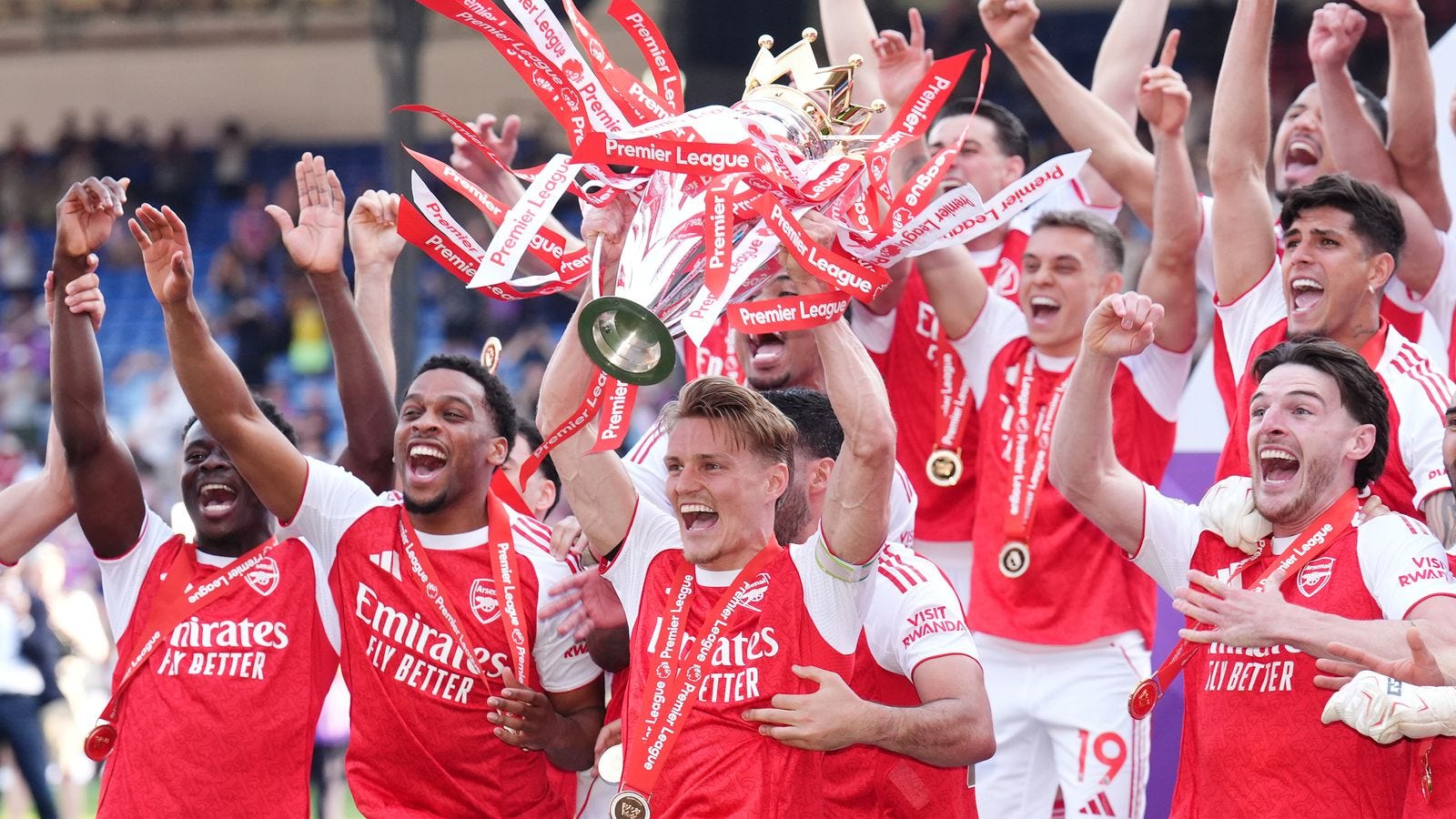
But, finally, on 21 May, the title was settled.
After twenty-two years - the longest wait of any of the big clubs - Arsenal were champions of England again. The fourteenth time. The first time since the Invincibles.
Between 2020 and 2025, Arteta went five seasons without a major honour. The football had been getting better. The gap has been closing. But the trophy cabinet stayed empty - and in football, that's the only thing that counts.
I’ve been thinking about that a lot this month - about what it actually looks like to commit to something before you have evidence it will work.
Process > Outcome
So I got a business advisor recently.
An exited founder with time to kill and a feeling of empathy and excitement for someone building.
He told me to go and get 30 rejections before I could meet with him again.
It has been one of the most powerful things I’ve tried.
The result so far?
1 no
3 ignores.
10 (insane) yeses.
Yeses to things I never would have pitched for before.
By removing the focus on the outcome, I liberated myself from the fear of failure.
I focused on the inputs, the reps, the process.
Instead of worrying about results, the focus became participation.
When I stopped aiming for successful outcomes, that’s paradoxically when they came.
Looking back to last year
I’ve noticed the same thing.
I didn’t start this Substack with an outcome-based goal. I started with a process-based one: just show up and write each week. Actually publish. Then see what happens.
Now?
I generate money from writing, I get to speak on stage at places like Cannes Lions, I’ve launched a conversation series that excites me more than anything.
I’ve come back to myself.
Showing up and writing weekly before I felt ready changed my life last year.
Showing up and going for things is changing my life now.
Whenever I’ve focused on participating, my life opened up.
Almost none of the best things in my life have arrived through planning. They’ve arrived through participation. Through moving while uncertain. Through doing reps with no guarantee.
So for June, I want to try something with this community.
I’ve created a super simple challenge.
It’s inspired by small daily practicies that have shifted things for me.
It’s 4 words:
Make. Ask. Play. Participate.
The challenge is easy:
Every day, do one small thing under each of those 4 pillars.
MAKE: Create something. Small or big. Just bring something into existence. It could be a playlist, a beautiful meal, a letter to someone, a framed printed photo, some DIY, a city guide for a friend visiting.
ASK: Make a bold ask. DM someone you don’t expect to reply. Ask someone for advice or a favour. Try a brave pitch. Be a bit vulnerable. Make a move outside of your comfort zone.
PLAY: Do something playful. Inject your day with silliness and fun. Be in a childlike state.
PARTICIPATE: Show up in someone else’s world. Offer support. Celebrate their wins. Perform an act of unexpected kindness. Be generous with your time, resources, advice. Share their work.
You can’t control outcomes.
And there are no guarantees.
I can’t promise people will subscribe, reply, say yes.
But you can control whether you show up. Whether you publish. Whether you ask. Whether you participate.
Because there are some things I’ve learnt to be true:
Momentum creates clarity more often than clarity creates momentum.
Life responds when you engage with it.
Arteta walked into a half-empty stadium and set about rebuilding.
It took years of ugly and uncertain work.
It was about focus on the process. Before the results came.
Although Budapest was a loss, we won the premier league and this is still the most extraordinary season in Arsenal’s modern history.
The failures will keep coming.
The successes will probably take longer than you think.
The two will likely co-exist in closer proximity than you’d like.
People will question you constantly.
But when the outcome is uncertain - and it always is - the process is the only thing you can control.
You won't know if it worked until you look back. Until then, all you have is whether you showed up today.
Katie x
Want to join the challenge?
Comment “I’m in” below and I’ll send you the June Reset tracker.
Enjoyed this?
You might like:


