
Could you be more specific?
Why specificity is the new luxury - and the surprising shortcut to a life that's more true.

“I like your outfit. You look great.”
“Thanks,” I said. “I think it’s more New York than LA.”
A few years ago I was in an Uber on the way to meet someone when the driver and I fell into one of those conversations you have with hairdressers or baristas - strangely open and candid because you’re occupying a space together, but both know you’ll probably never see each other again.
He asked who I was meeting.
“A guy,” I said.
He shrugged.
“You’re good,” he said. “Most men aren’t specific.”
It made me laugh. The line was so perfect and sharp.
And it came to mind because lately I’ve been thinking about specificity in a wider cultural sense.
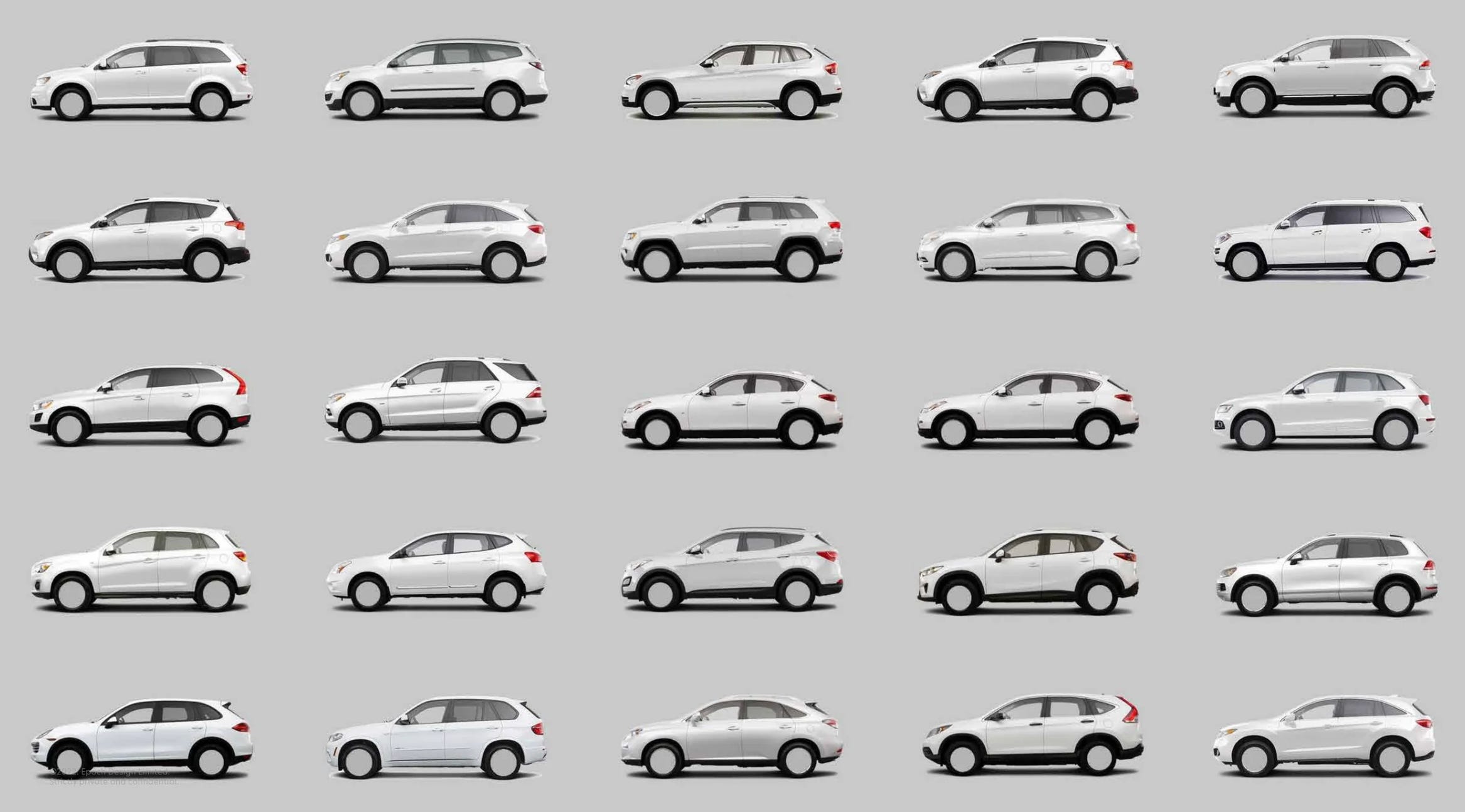
It points to something I think many of us feel right now. So much of modern life is feeling flattened. In a world of algorithms, mass markets and endless feeds and recommendations, it’s easy to drift toward passively to what the system serves us - to consume what’s placed in front of us rather than noticing what actually resonates. The books we love, the people who understand us, the unique texture of a life we’ve chosen - all of it comes from the particular.
Specificity in connection
It’s a universal truth that specificity shapes connection. In my essay Flirt with Life: Seduction Beyond Romance, I invite readers to “share a compliment so specific it startles.”

We all recognise the difference. “You look great” or “you’re beautiful” can feel pleasant but slightly generic, whereas “I love the way you think about x” or “there’s this expression you make when you’re concentrating that’s so endearing” lands differently.
Specificity signals attention and care.
And of course specificity has become more valuable now that we’re living in a culture of fractured attention and flattened, digital, disposable interactions.
In another essay, Return as Rebellion, I wrote about how Mary Oliver sees awe in noticing her life partner whistle - something she’d never heard her do. The poem reminds us that aliveness and connection comes not from newness and rupture, but attention, noticing and finding awe in the specific.

But more recently I’ve reflected on how specificity signals something else as well.
In a world increasingly designed for mass adoption - where platforms optimise for the average and products are built to appeal to the broadest possible audience - the ability to notice, to care, and to choose precisely is becoming rarer.
Specificity isn’t just about attention. It’s a cluster of qualities: attention, taste, discernment, and self-knowledge. It’s the ability to recognise what resonates with you - and to choose accordingly.
Specificity isn’t just seeing more. It’s knowing what matters to you.
Specificity, in other words, is the point where attention meets identity.
Creativity and Specificity
Once you start looking for it, it becomes impossible to miss.
Across creative fields, the most interesting work tends to come from a very specific point of view.
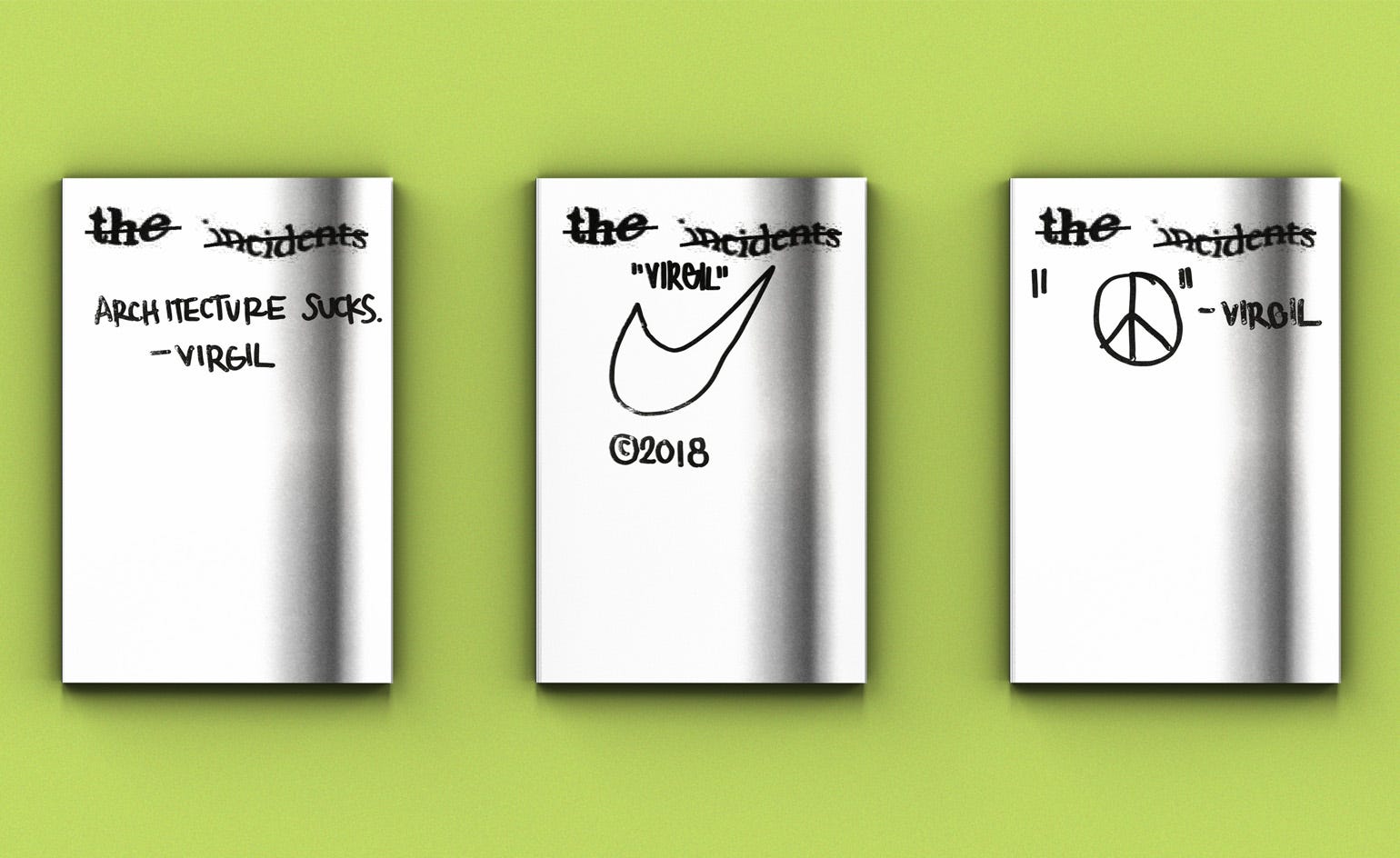
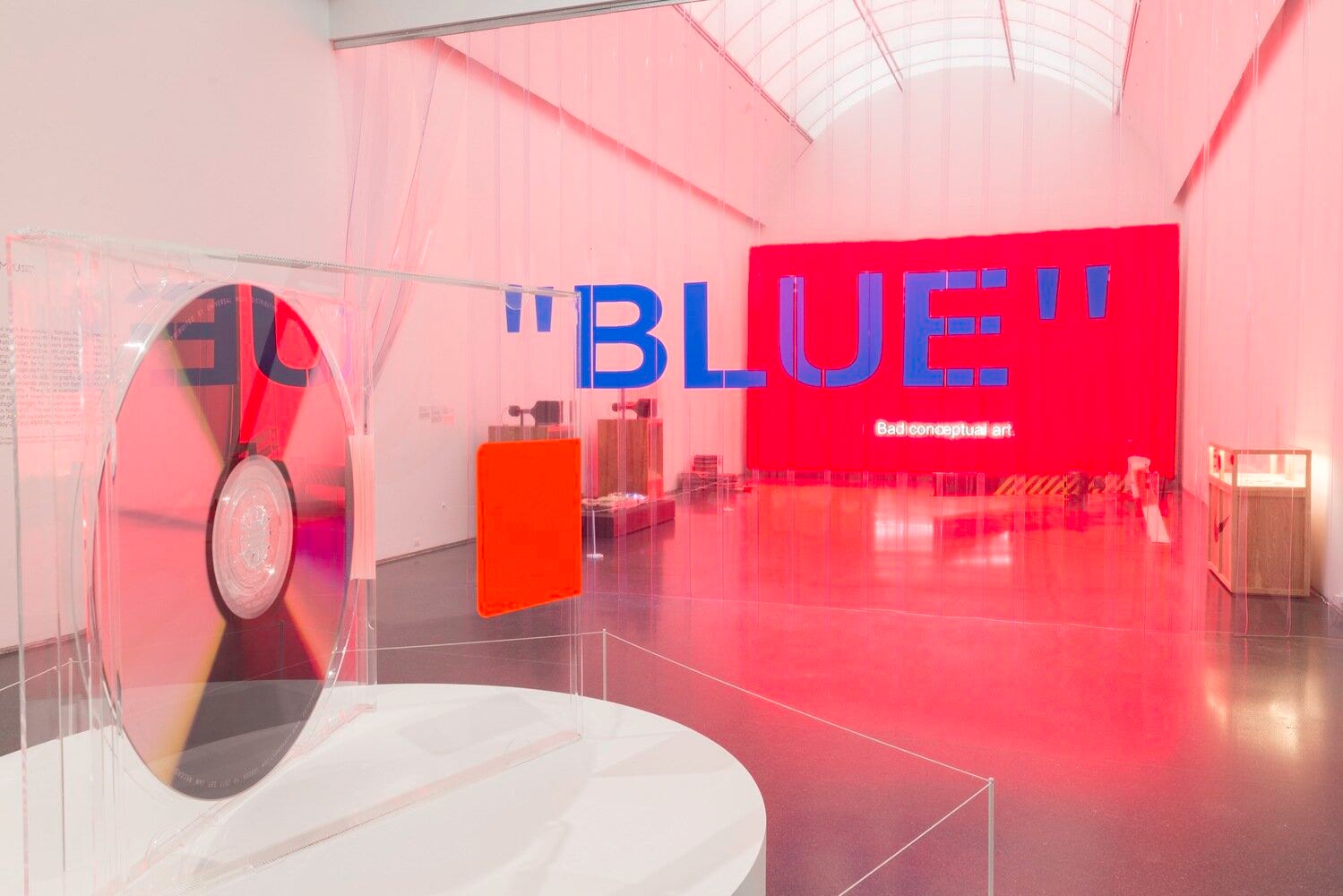
Virgil Abloh understood this in cultural terms. He often talked about the “3% rule”: the idea that you don’t need to reinvent something entirely - you change it just enough to shift its meaning. A pair of trainers gets quotation marks around the word “SHOELACES,” a handbag is labelled “SCULPTURE,” familiar streetwear silhouettes are nudged a few degrees off centre. The details are small, but to people fluent in the codes they signal a whole cultural conversation.
Abloh also said he designed for a very particular audience: the seventeen-year-old version of himself, the kid obsessed with skate culture, hip-hop and architecture who wanted to see those worlds collide.
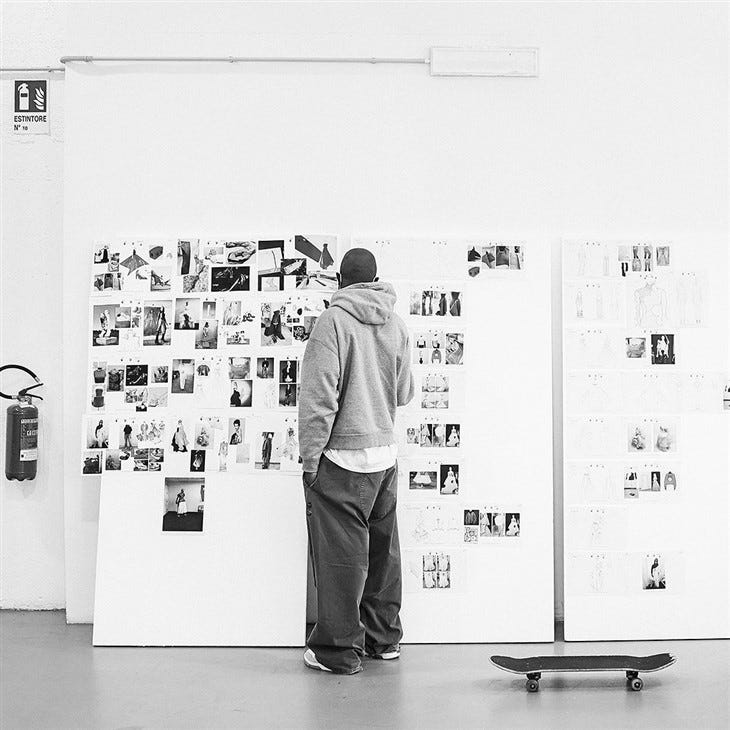
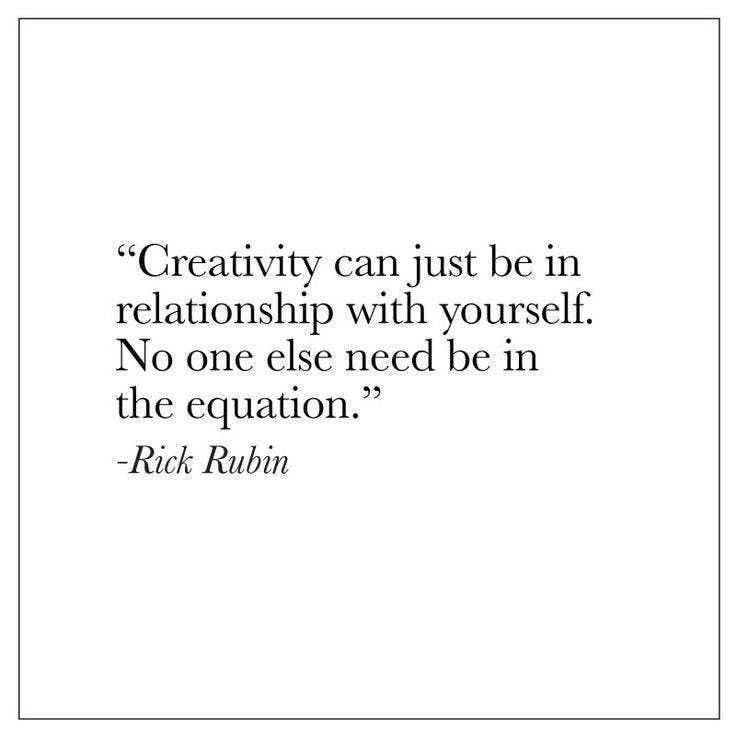
Rick Rubin frames the same principle more intuitively. His advice to artists is disarmingly simple: make the music you want to hear. Not what the market expects or what the algorithm might favour, but what your own internal taste recognises as true - whether that’s the stripped-back minimalism he brought to early Run-D.M.C. recordings or the stark intimacy of the albums he later produced with Johnny Cash.
And in the art world, Tracey Emin has built an entire practice on radical specificity of self: handwritten neon confessions, the unmade sheets of My Bed, and the fragments of memory rendered in her own looping script - like intimate, unedited diary entries - stitched into the fabric of her famous bed-spreads.
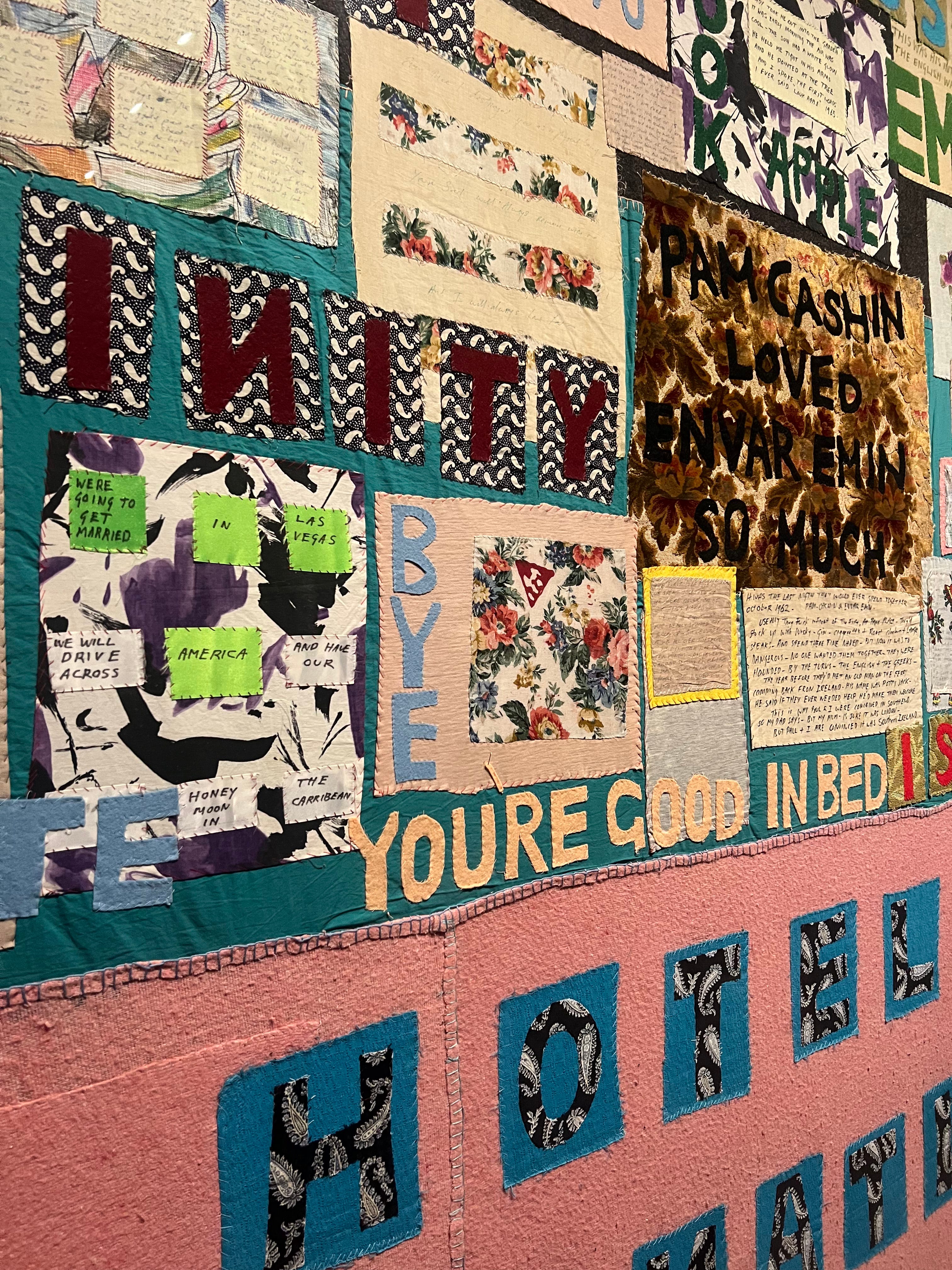
What connects them is a commitment to specificity - Abloh working through cultural codes, Rubin through creative instinct, Emin through the raw material of her own life.

None of them are trying to speak to everyone. And paradoxically, that’s exactly why the work travels so far.
The more precise the point of view, the more clearly people recognise something real within it.
Radical specificity, it turns out, is often what allows work to connect universally.
Specificity creates signal.
If specificity is what makes creative work resonate, it’s striking how much of modern culture seems to move in the opposite direction.
We live in an age of infinite choice - infinite content, infinite products, infinite recommendations.
And yet much of it feels strangely interchangeable.

Why specificity feels rare right now
I think we’ve all felt it.
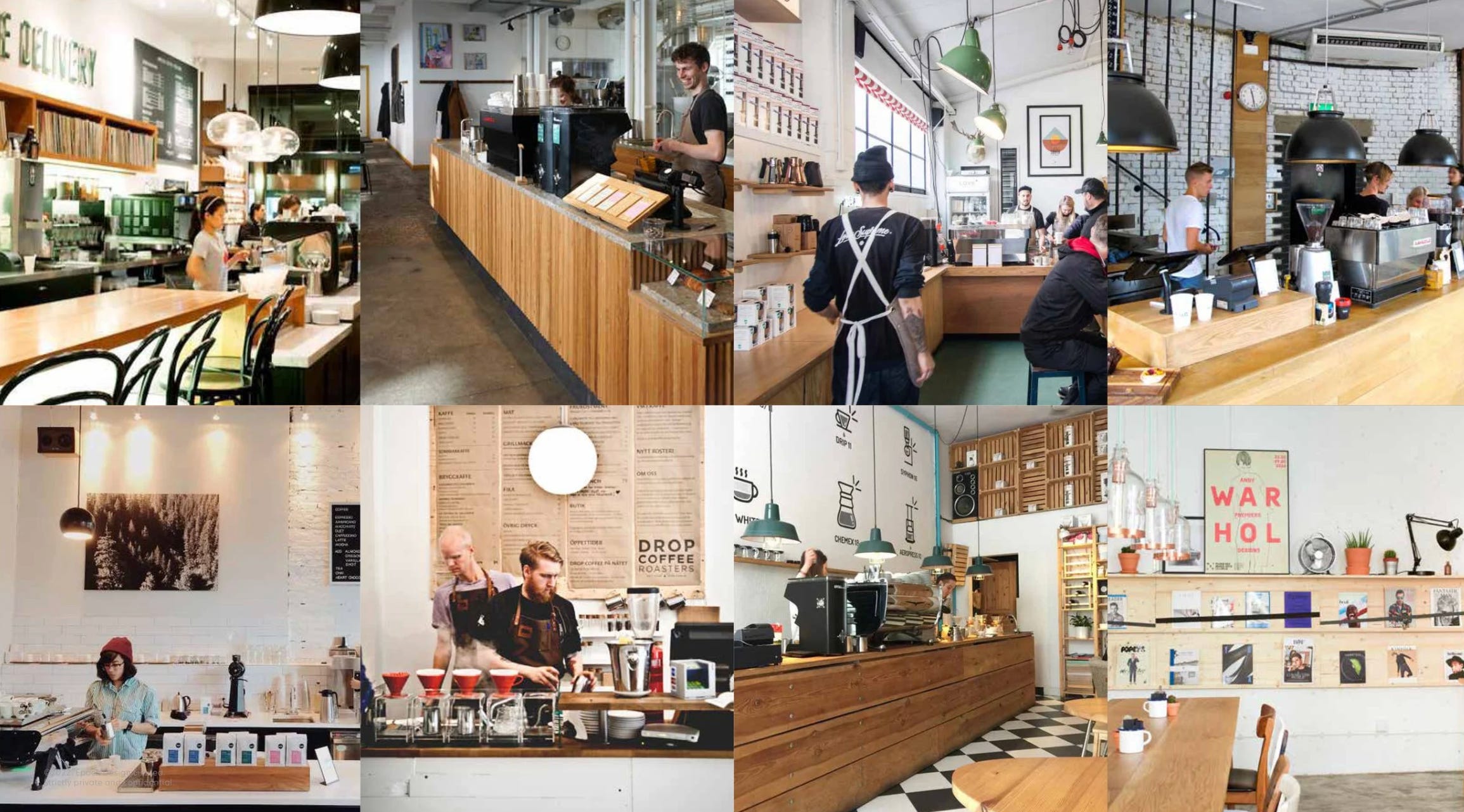
The cookie cutter coffee shop interiors.
High streets across the world becoming eerily similar.
“Millennial grey”
We’ve spent about a decade in a generalisation era.
Over the past decade many cultural systems have been optimised for scale. Platforms reward what appeals to the broadest possible audience, pushing content toward the median taste. Technology writer Cory Doctorow calls this process “enshittification”: platforms begin by serving users well, then optimise for growth, and eventually for extraction. In the process everything flattens. Content becomes more predictable, more generic, less distinctive.
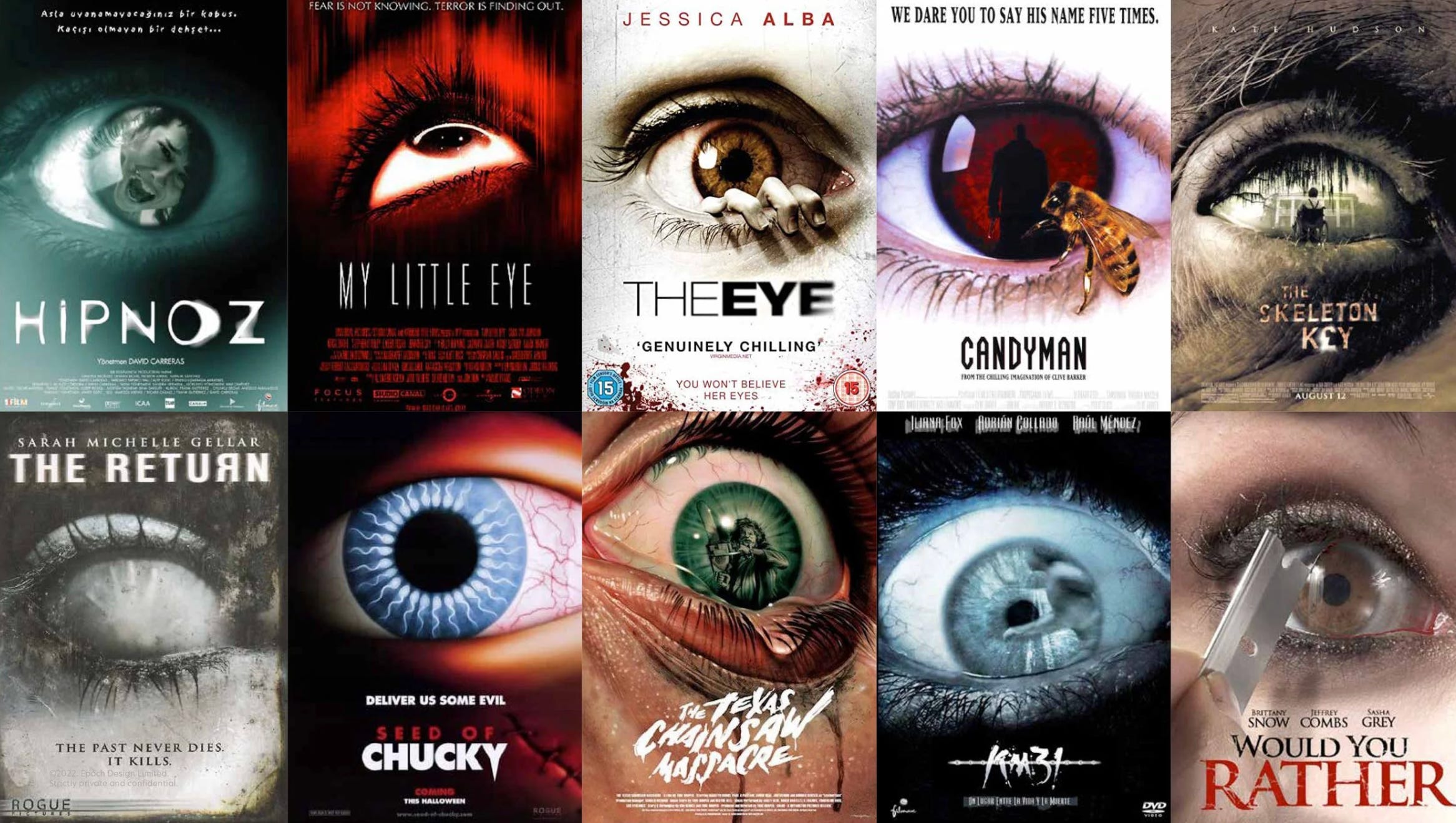
There’s also an economic layer to this shift. Some critics describe it as the private equity effect.
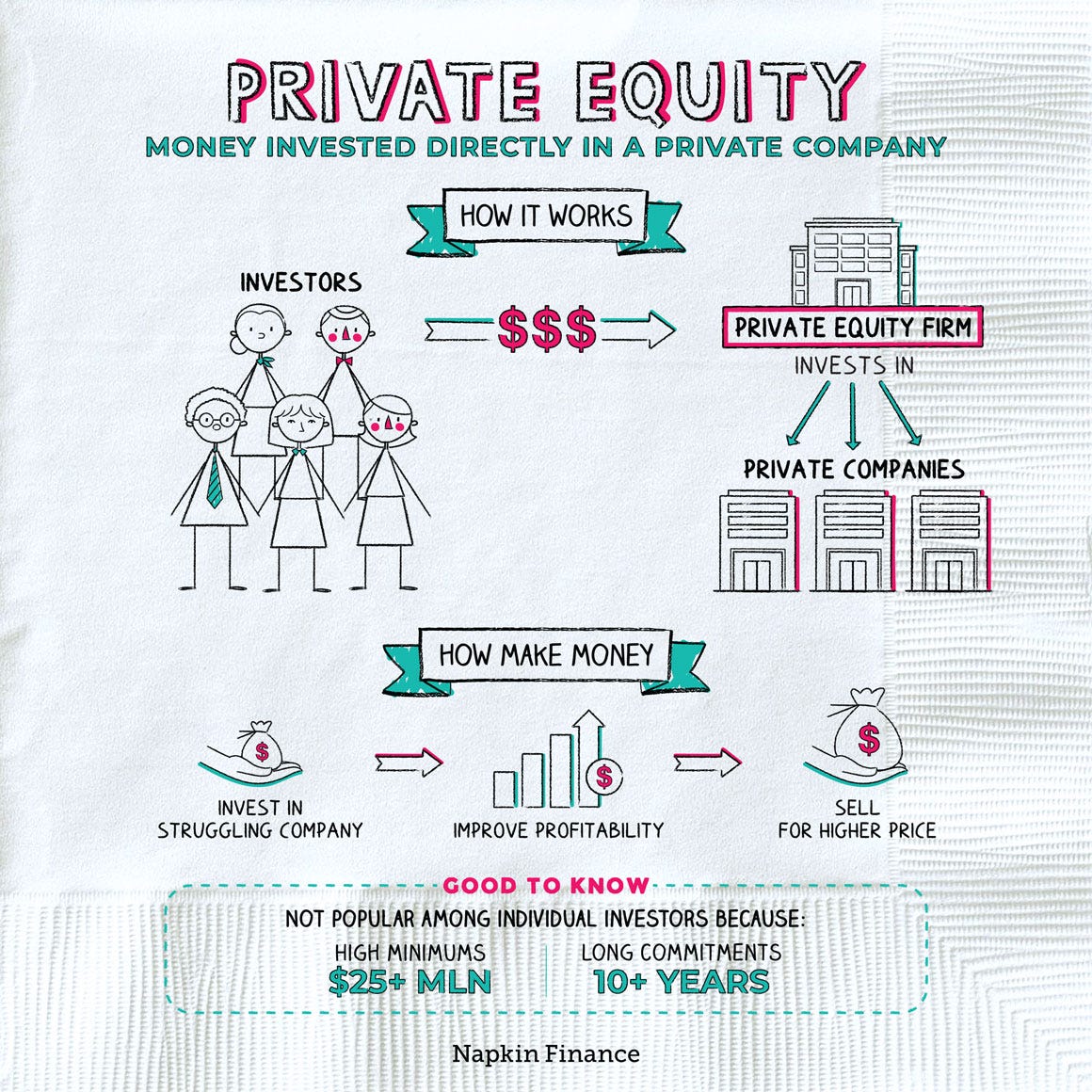
When private equity firms acquire businesses, the playbook often involves reducing costs, standardising operations and scaling processes. Financially this can work well. Culturally it often erodes distinctiveness. Boutique hotels begin to resemble one another. Restaurants lose their quirks. Media brands become content factories. Retail experiences grow interchangeable. Efficiency increases, but specificity disappears.
What emerges is something critics have called the “strip-mining” of culture: efficiency is maximised, but the particular character that once made places and brands feel unique slowly disappears. The result is a landscape that runs more smoothly - but feels far less specific.
The Shift
Because of this, the powerful shift for those in the know, has been about shifting to resonance - to specificity.
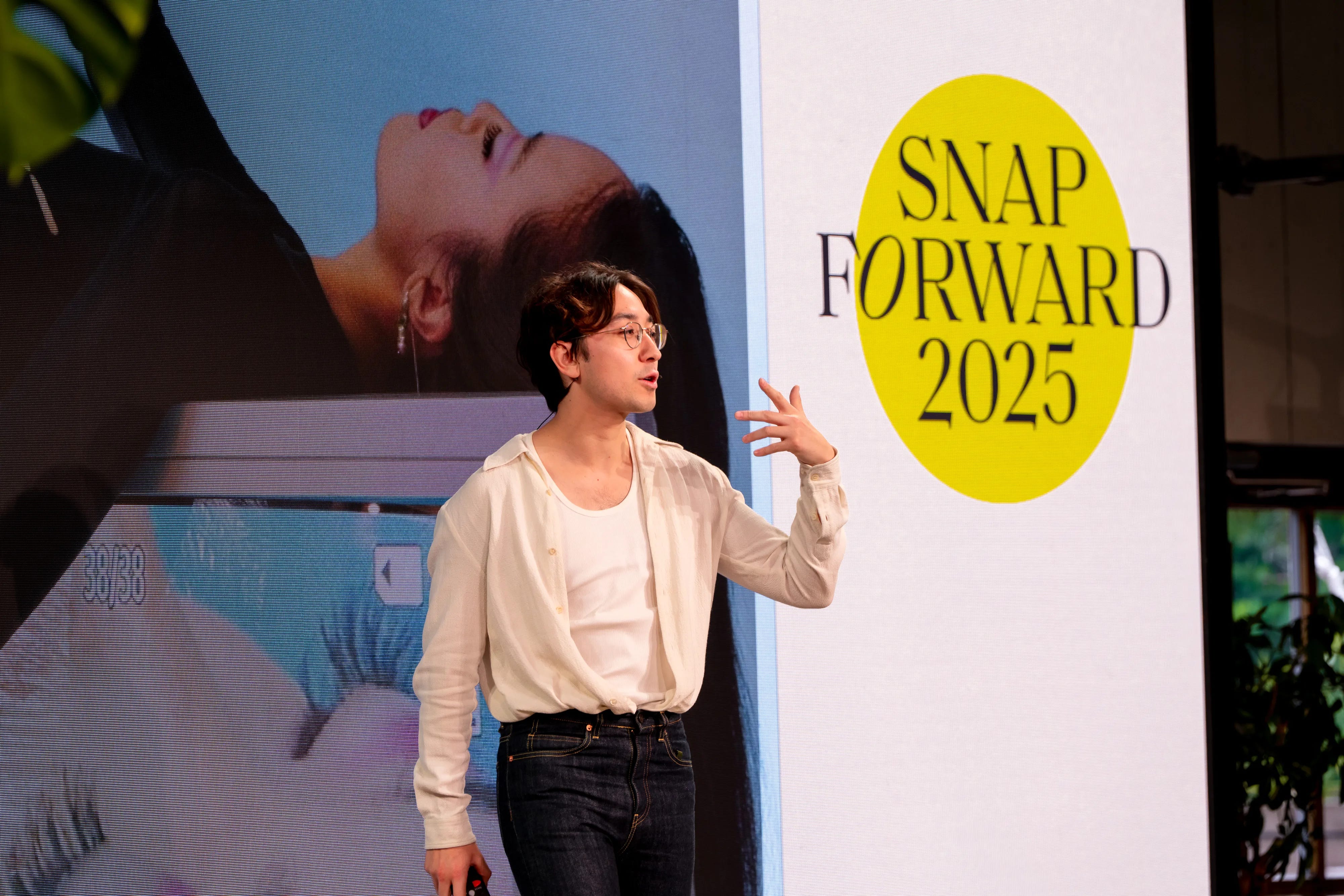
The cultural response to this flattening is a return to specificity. Strategists like Eugene Healey argue that influence now moves through taste clusters rather than mass audiences. Instead of reach, the signal is recognition: whether the right people understand what you’re doing.
For much of the social media era, success was measured in scale: follower counts, impressions, viral reach. But as feeds fill with increasingly similar outputs, those signals have started to lose meaning.
Healey argues that cultural power now moves through smaller taste clusters - communities organised around shared sensibilities rather than mass audiences.
In other words, the signal is no longer how many people you reach, but whether the right people recognise what you’re doing.
Other thinkers in the branding world are circling the same idea. Ana Andjelic argues that the most resonant brands today operate less like mass products and more like cultural worlds.
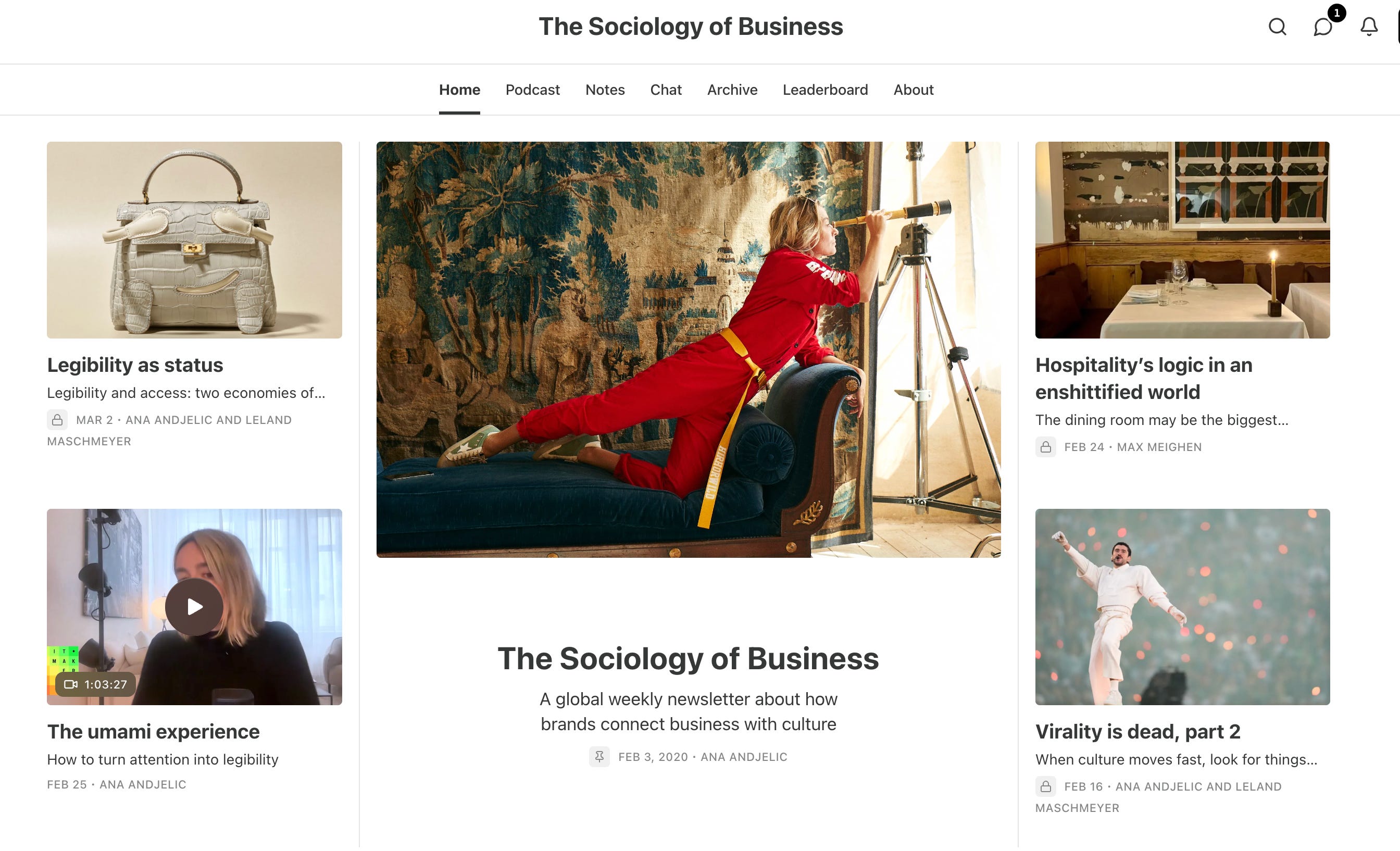
The goal is no longer broad positioning - “for everyone” messaging - but a distinct aesthetic and point of view that attracts people with a shared sensibility.
You can see this in the rise of brands like Aime Leon Dore, whose identity is built around a very particular universe of references: Queens nostalgia, vintage basketball culture, Mediterranean café life, muted 1990s colour palettes.
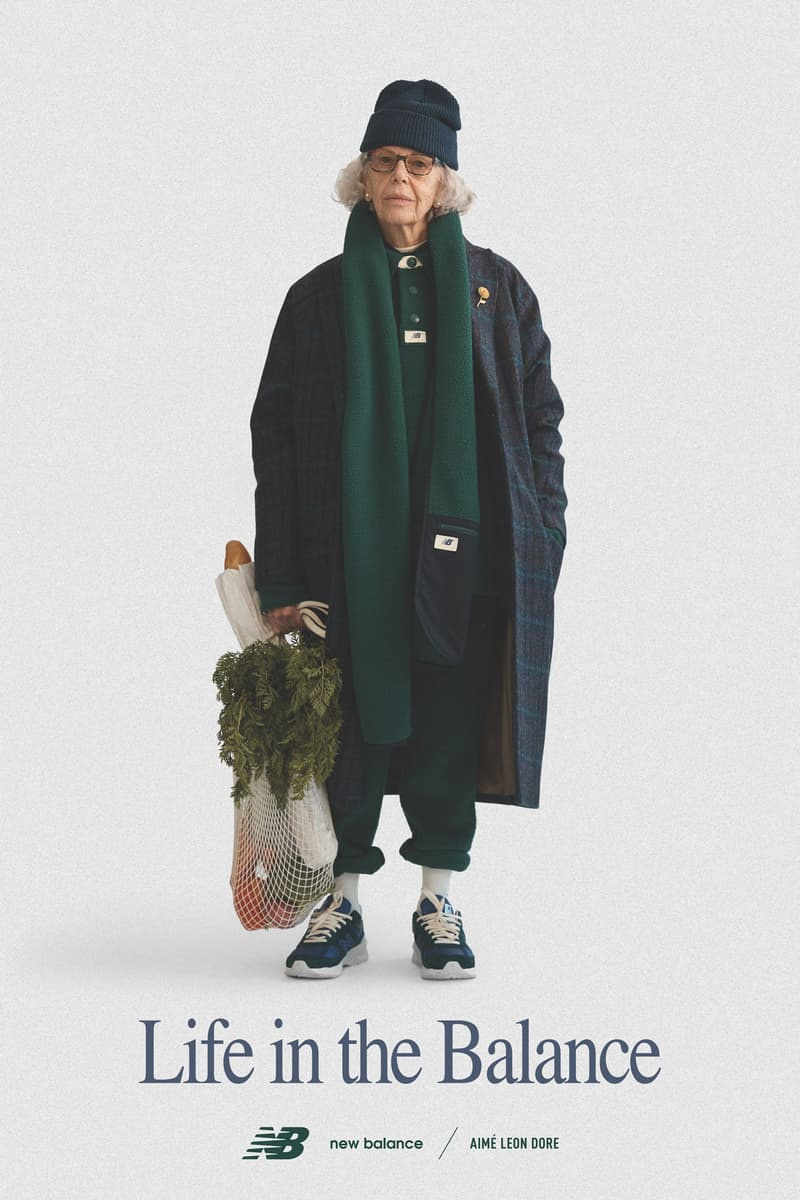
The appeal isn’t universal. It’s recognisable. If you’re inside that cultural language, the brand feels instantly coherent.
This shift shows up across industries.
Restaurants increasingly succeed by narrowing their focus rather than broadening it - specialising in a single regional cuisine, a tiny tasting menu, even one obsessively perfected dish.
Media has moved in a similar direction. Instead of a few mass publications speaking to millions, thousands of writers now build deeply engaged niche audiences on platforms like Substack, where the most successful creators often serve highly specific intellectual or cultural communities rather than the general public.
The dynamic echoes ideas from Douglas Holt, who has long argued that strong brands succeed not by appealing to everyone, but by aligning themselves with particular cultural tensions and identities.
Cultural influence rarely comes from the centre; it tends to emerge from the edges, where distinct points of view are forming.
Seen together, these perspectives point to a broader shift. For decades culture was organised around scale: the biggest media platforms, the broadest consumer markets, the most widely recognisable signals.
Increasingly, however, cultural energy seems to flow in the opposite direction - toward niches, subcultures and highly defined points of view. What travels now is rarely the most generic idea, but the most distinctive one.
Culturally. people are craving taste, belonging, niche communities, strong identity - all delivered through specificity.
Which is why we’re seeing: Substack writers with cult followings, hyper-specific fashion brands, micro-subcultures exploding online and creators building niche communities on platforms like Discord, instead of audiences.
When systems optimise for scale, everything becomes average.
Specificity becomes rare.
And the rarer it becomes, the more valuable it is.
Of course, specificity isn’t new.
Subcultures have always formed around taste, whether in Paris salons, underground music scenes, or tiny restaurants obsessing over a single dish.
What feels different now is the scale of the forces pushing in the opposite direction.
I’d like to acknowledge that specificity can be exclusive or elitist. Taste has always had a gatekeeping side to it.
But today specificity isn’t about status - it’s about escaping genericness.
In a world optimised for everyone, specificity is starting to feel like luxury.
Luxury has always been about scarcity. In the past that meant rare materials, high prices, exclusive access.
Today the rarest thing is something else entirely:
The feeling that something - or someone - was made with care, from a very particular point of view.
When everything is available, flattened and replicated, scarcity is escaping the generic.
And in a culture where we have infinite products, infinite content, infinite options, the coolest thing you can do is know what you like and be brave enough to choose it.
To be singular. To be intentional.
To be specific.
The temptation of modern life is to smooth everything out - to appeal to everyone, offend no one, blend into the feed.
But the things that stay with us are rarely the most general. They are the most particular.
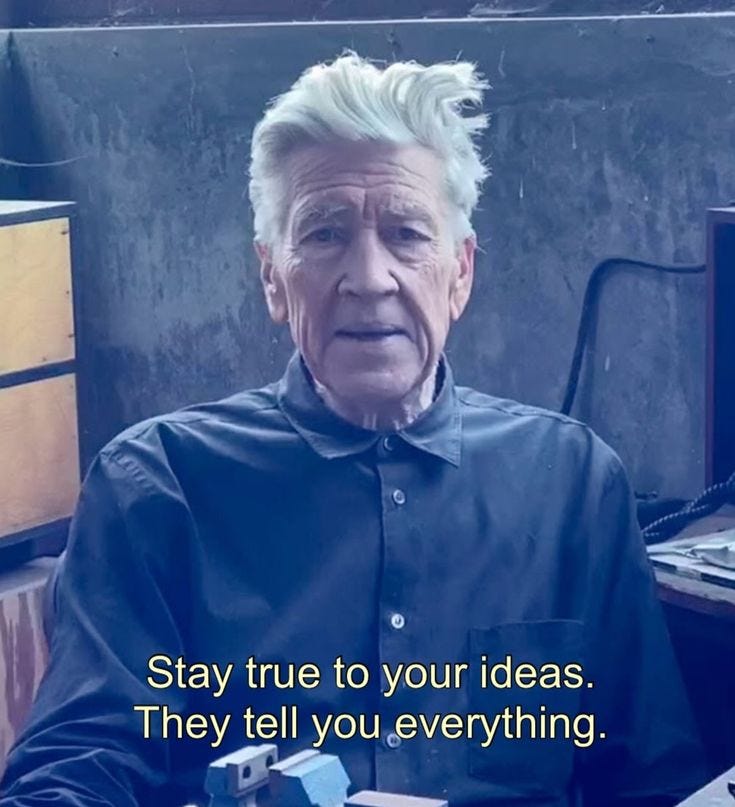
So the invitation is simple.
Seek out your real preferences.
Remove the things you’ve accumulated, inherited or adopted on autopilot.
Follow your genuine curiosities outside the algorithm - back to original sources, first principles, primary voices.
Embrace obsession and craft, and support the businesses and creators who care enough to pursue them.
Don’t be afraid to produce work that is particular. Tell your specific story. Share your worldview. Don’t smooth the edges. Don’t try to be for everyone.
And finally, choose people who want to know you properly.
The ones who are curious about you in all your beautiful, slightly strange specificity.
The ones who notice the freckle on your waist, the way you smile when you’re uncomfortable, or the dream you mentioned once but haven’t yet pursued.
Before long, you may find yourself living inside a life that feels very different: one made up of intentionally chosen things, distinct places, and relationships where you are recognised in the detail, not just admired in the general.
In a world increasingly optimised for everyone, that kind of life begins to feel like the rarest luxury of all.
Thank you for reading,
I’d love to know what you think!
Brilliant piece!! After years of being chronically online, I realized I was editing my personality to fit an algorithm instead of an audience. We’ve all been forced into this cookie-cutter era for too long, losing our true selves in the process. It’s heartbreaking to realize how much of our own uniqueness we’ve traded just to be manageable for the internet. Let's stop trying to be recognizable to the masses and start being true to ourselves.